
The first time I tried protein coffee, it was a disaster. Chalky clumps floating in lukewarm brew. Gritty. Separated. Not the creamy, filling drink I wanted. I almost gave up. But after testing different ratios, temperatures, and blending methods, I landed on a version that actually works. It keeps me full past noon without that heavy, oily feeling. Here’s the method — and the one trick most recipes skip.
Why Protein Coffee Works for Satiety
Black coffee is a diuretic and appetite suppressant for some, but it doesn’t provide lasting energy. Add protein — especially with a small amount of fat — and you get a drink that stabilizes blood sugar and slows digestion. The result? No mid-morning crash. No growling stomach at 10:30. Just steady focus until lunch.
The key is the ratio. I keep mine at roughly 1:4 protein to liquid by volume. That’s one scoop of powder (about 30 grams) to one cup of coffee plus half a cup of milk. Any more protein and the texture turns pasty. Any less and you lose the satiety effect.
The One Mistake That Ruins Protein Coffee
Most recipes tell you to stir protein powder into hot coffee. Don’t. Heat denatures the protein too quickly, causing clumps. Instead, blend everything together. I use a countertop blender — a simple immersion blender works too, but you’ll need a tall cup. The blending aerates the drink, creating a microfoam that mimics steamed milk. That foam traps the protein evenly, so every sip is smooth.
Temperature matters. I brew my coffee at 200°F (just off a rolling boil) and let it sit for 30 seconds before blending. If the coffee is too hot — above 212°F — the protein can curdle. If it’s too cold, the butter won’t emulsify. Aim for around 190°F when it hits the blender.
My Exact Recipe: The Satiety Shaker
This makes one generous serving. Adjust ratios based on your protein powder’s serving size.
- Coffee: 1 cup, freshly brewed. I use a medium roast from Central America — balanced acidity, not too bitter. A dark roast can overpower the protein.
- Protein powder: 1 scoop (25-30g). Unflavored or vanilla. Avoid chocolate with coffee unless you want a mocha vibe.
- Butter or ghee: 1 tablespoon. Optional, but it adds creaminess and slows digestion. If you’re dairy-sensitive, use coconut oil.
- Milk: 1/2 cup unsweetened almond milk. Any milk works — oat milk gives a thicker body, whole milk adds richness.
- Pinch of sea salt: Cuts bitterness and enhances flavor.
Steps:
- Brew your coffee. Let it cool for 30 seconds.
- Add all ingredients to the blender. Pour the coffee in last.
- Blend on low for 10 seconds, then high for 15-20 seconds. You’ll see a thick foam form on top.
- Pour into a mug. The foam will settle into a creamy layer. Drink immediately.
Safety note: Hot liquid in a blender creates steam pressure. Always hold the lid down with a folded towel. Start on low speed to avoid explosions.
Visual and Texture Cues
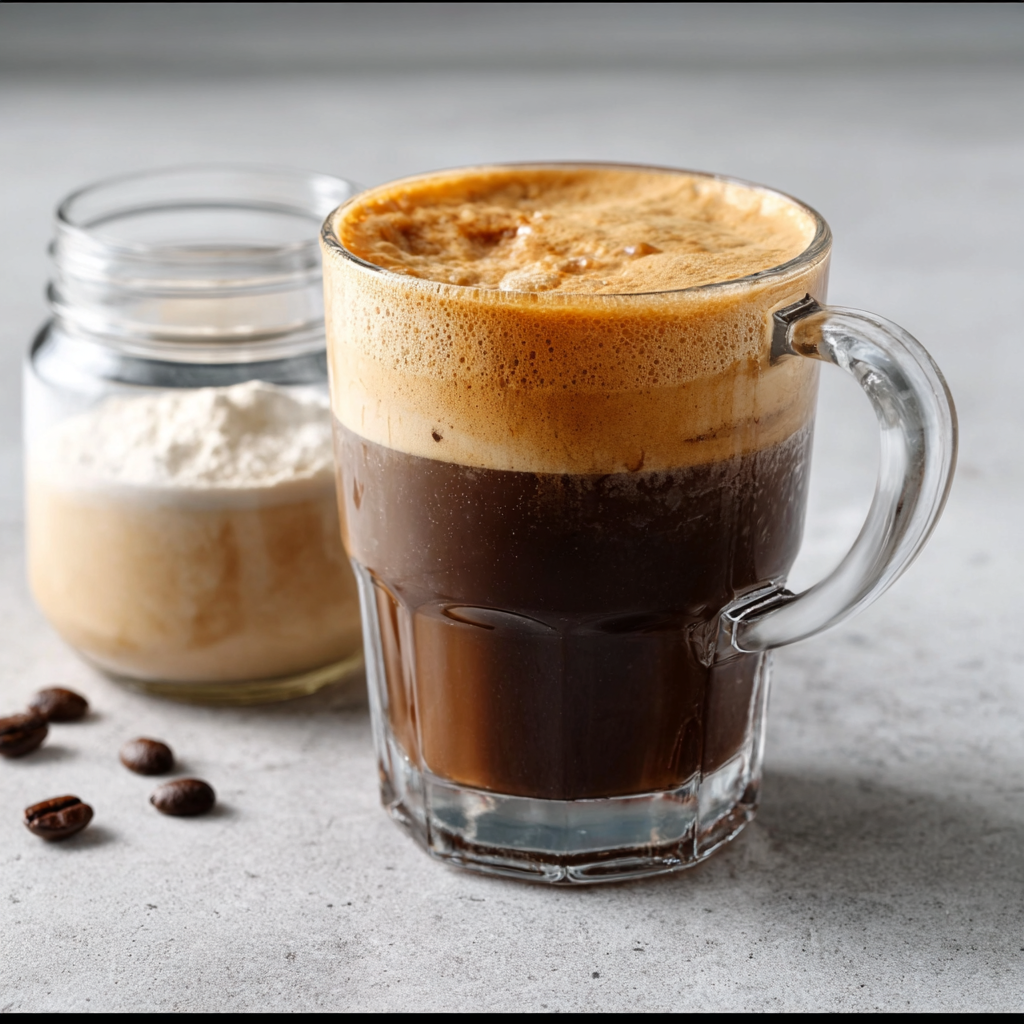
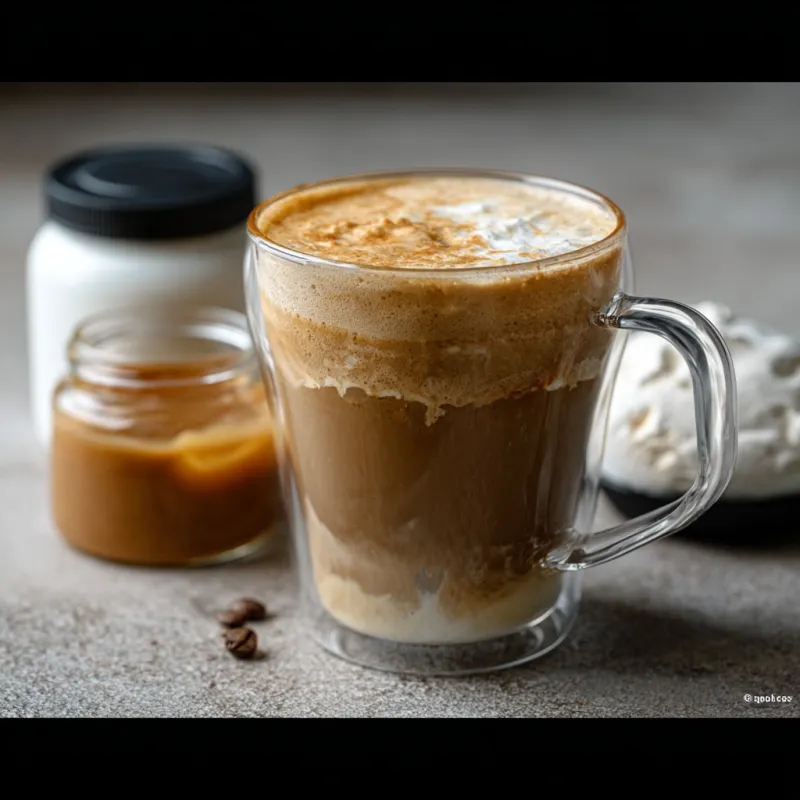
When you blend correctly, the drink looks like a latte — uniform, with a velvety foam cap. No streaks of undissolved powder. No oily slicks on top. The mouthfeel should be smooth, not watery or gritty. If you see bubbles that pop quickly, you’ve under-blended. If the foam is stiff and sits like a meringue, you’ve over-blended or used too much fat.
Common Variations and Troubleshooting
Cold Protein Coffee
Brew double-strength coffee (use twice the grounds for the same water). Let it cool to room temperature. Blend with ice, protein powder, and milk. The ice dilutes the coffee, so double-strength keeps the flavor bold. Use a high-speed blender to crush the ice into a slushy texture.
Plant-Based Protein
Pea or rice protein can be grainier than whey. Add a teaspoon of coconut oil or a splash of full-fat oat milk to improve mouthfeel. Blend for an extra 10 seconds on high.
No Blender?
Use a shaker bottle with a whisk ball. Shake vigorously for 30 seconds. The texture won’t be as creamy, but it’s passable. Add a tablespoon of heavy cream or coconut cream to compensate.
A Note on Caffeine and Individual Sensitivity
Caffeine affects everyone differently. Some people feel alert after one cup; others get jittery. This recipe uses a full cup of coffee — about 80-100 mg of caffeine. If you’re sensitive, use half a cup of coffee and top up with hot milk. Pregnant or nursing? Check with your doctor. Coffee is not recommended for young children.
Takeaway
Protein coffee doesn’t have to be a compromise between nutrition and taste. Blend it right, get the temperature right, and you’ll have a drink that keeps you full, focused, and ready for the morning. Skip the stir-and-pray method. Use a blender. Add a pinch of salt. And don’t be afraid of a little butter — it’s the secret to lasting energy.
Frequently Asked Questions
Can I use any protein powder in coffee?
Most protein powders work, but whey tends to blend smoother than plant-based. Avoid powders with artificial sweeteners that can curdle in hot coffee. If using plant protein, blend with cold milk first, then add hot coffee slowly.
Why does my protein coffee get clumpy?
Clumps happen when hot coffee hits the powder directly. Always blend with a small amount of cold liquid first, or use a blender to emulsify. Adding a fat like butter or oil also helps create a smooth texture.
Is this coffee suitable for intermittent fasting?
If you’re strict about fasting, any calories (including from protein powder or butter) break a fast. But many people find this drink supports satiety during a feeding window. Check with your healthcare provider for personal guidance.
How much caffeine is in this drink?
One cup of brewed coffee contains roughly 80-100 mg of caffeine, depending on the bean and brew method. Caffeine affects everyone differently — some feel alert with less, others need more. Listen to your body and adjust.
The Satiety Shaker: Protein Coffee
Ingredients
Equipment
Method
- Brew 1 cup of hot coffee using your preferred method. I use a pour-over with a medium-fine grind, water just off the boil (around 200°F/93°C).
- While the coffee brews, add the protein powder, butter (if using), almond milk, and sea salt to a blender.
- Pour the hot coffee into the blender. Secure the lid tightly, and hold it down with a towel — hot liquid expands.
- Blend on low for 10 seconds, then high for 15-20 seconds until frothy and smooth. No clumps.
- Pour into a mug. The foam will settle into a creamy top layer. Drink within 15 minutes for best texture.