
The first time I made tiramisu for a group, it vanished in under ten minutes. People went back for thirds. The secret wasn’t in the mascarpone or the eggs—it was in the coffee. A tiramisu that disappears in minutes hinges on one thing: a precise, concentrated coffee soak that infuses every ladyfinger without turning them into a sad, wet mess.
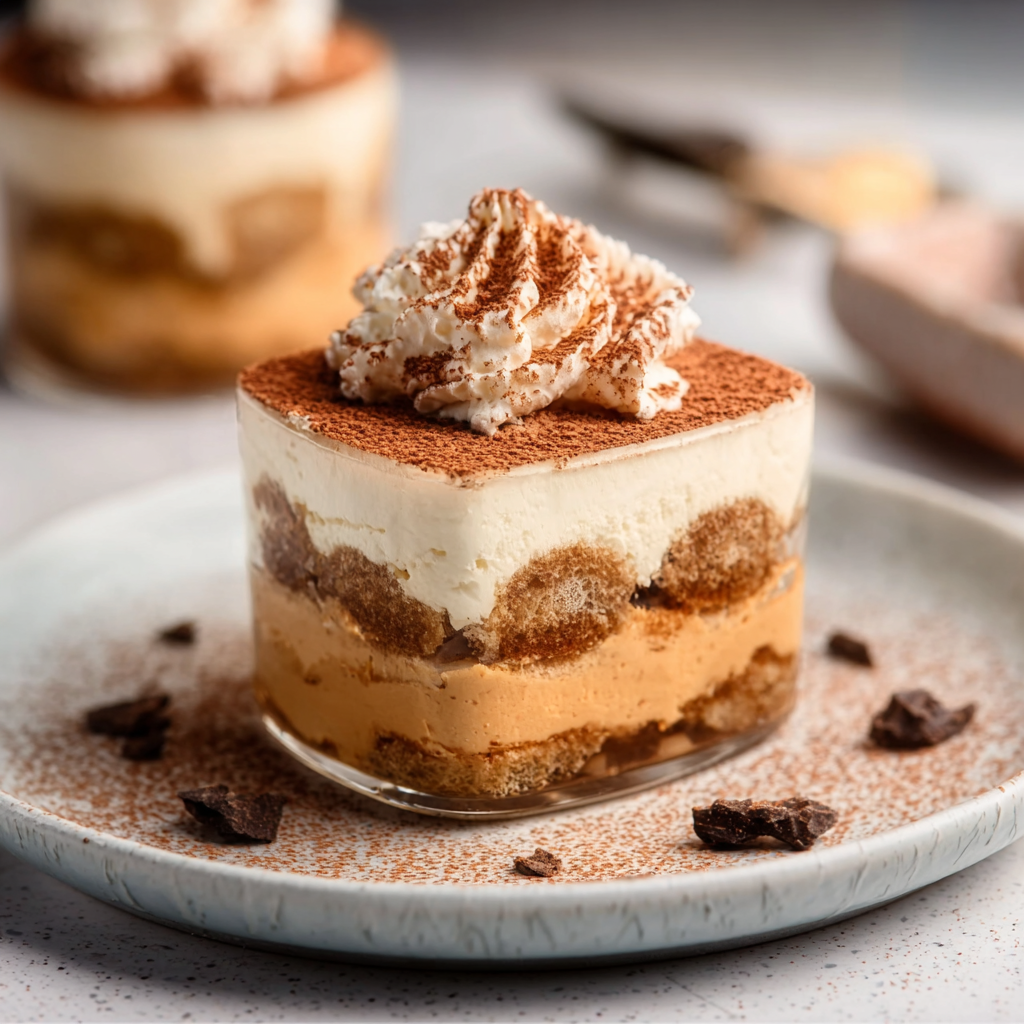
The Coffee Ratio That Makes or Breaks Your Tiramisu
I keep my brew ratio at 1:4—60 grams of coffee to 240 grams of water. That’s stronger than my usual pour-over, and for good reason. Tiramisu is a cold dessert, and cold dulls flavor. A standard drip coffee will taste watery and flat once chilled. You need a concentrate that cuts through the rich cream. I use an Aeropress for this because it delivers a clean, full-bodied brew with minimal bitterness. Grind your beans fine—like table salt—and brew at 195°F (90°C). Let the coffee cool completely before dipping. Hot coffee will break down the ladyfingers before they even hit the dish.
The 2-Second Rule: Avoiding Soggy Ladyfingers
Here’s the technique that separates a tiramisu that disappears in minutes from one that gets pushed aside. Dip each ladyfinger into the coffee for exactly two seconds per side. Count it out. One Mississippi, two Mississippi. Then flip. That’s it. The ladyfinger should feel damp but not dripping. If you see coffee pooling on the surface, you’ve gone too long. A common mistake is to let them soak while you prep the next layer—don’t. Work in batches, and lay them in the dish immediately. The cookies will continue to absorb moisture from the cream as the tiramisu rests, so starting with a light soak ensures they stay firm enough to hold their shape when sliced.
Building the Cream: Texture and Temperature Cues
The mascarpone mixture needs a gentle hand. Overmixing turns it grainy. I whisk the egg yolks and sugar until they’re thick and pale—about three minutes by hand. The mixture should form a ribbon when you lift the whisk. Then fold in the mascarpone just until no streaks remain. For the whipped cream, cold cream is non-negotiable. Whip to stiff peaks: when you lift the beater, the cream stands up straight. If it droops, keep going. Fold the cream into the mascarpone in three additions, using a spatula and a cutting motion. The final texture should be airy and cloud-like, not dense. If it feels heavy, you’ve deflated it. Next time, fold more gently.
Layering for Even Distribution
I use a 9×13 inch dish for even layers. Start with a thin smear of cream on the bottom—this prevents the ladyfingers from sliding. Then a single layer of dipped cookies, touching but not overlapping. Spread half the cream evenly, reaching the edges. Repeat. The top layer of cream should be smooth; I tap the dish gently on the counter to settle any air pockets. Dust with cocoa powder through a fine-mesh sieve immediately, then again before serving. The double dusting gives a deeper chocolate flavor without clumping.
Patience Is the Final Ingredient
Refrigerate for at least six hours, but overnight is better. The coffee needs time to meld with the cream, and the ladyfingers need to soften gradually. If you cut into it too early, you’ll get a layered mess instead of a cohesive slice. When you do serve it, use a sharp knife dipped in hot water and wiped dry between cuts. That gives you clean edges.
A Note on Caffeine and Safety
Coffee affects everyone differently. Individual sensitivity varies, so if you’re serving this to a group, consider offering a decaf version using the same brew ratio. For pregnant individuals or those with health conditions, consult a qualified professional before consuming. Coffee and caffeine are not suitable for young children. Handle hot water and electrical equipment safely when brewing.
Takeaway: A tiramisu that disappears in minutes is about precision—not luck. Nail the coffee ratio, respect the 2-second dip, and fold the cream with care. Your dessert will be remembered long after the last crumb is gone.
Frequently Asked Questions
Why does my tiramisu turn out soggy?
The most common mistake is over-soaking the ladyfingers. Dip them for only 2 seconds per side—any longer, and they absorb too much liquid. Also, ensure your coffee is fully cooled before dipping; hot coffee breaks down the cookies faster.
Can I use decaf coffee for this tiramisu?
Absolutely. Brew a strong decaf concentrate using the same 1:4 ratio. The flavor will be slightly less robust, but it works well. Note that caffeine content varies, and decaf still contains small amounts. If you have specific health concerns, consult a qualified professional.
What’s the best coffee grind size for tiramisu?
For an Aeropress, use a fine grind (similar to table salt). For espresso, a very fine grind. For cold brew, a coarse grind steeped 12-18 hours. The key is a concentrated brew that isn’t bitter—avoid over-extraction by keeping water temperature at 195°F (90°C) for hot methods.
How do I make this tiramisu ahead of time?
Assemble it completely, then refrigerate for at least 6 hours or up to 24 hours. The flavors meld beautifully overnight. Add the final cocoa dusting just before serving to keep it fresh-looking. Do not freeze—the cream texture breaks upon thawing.
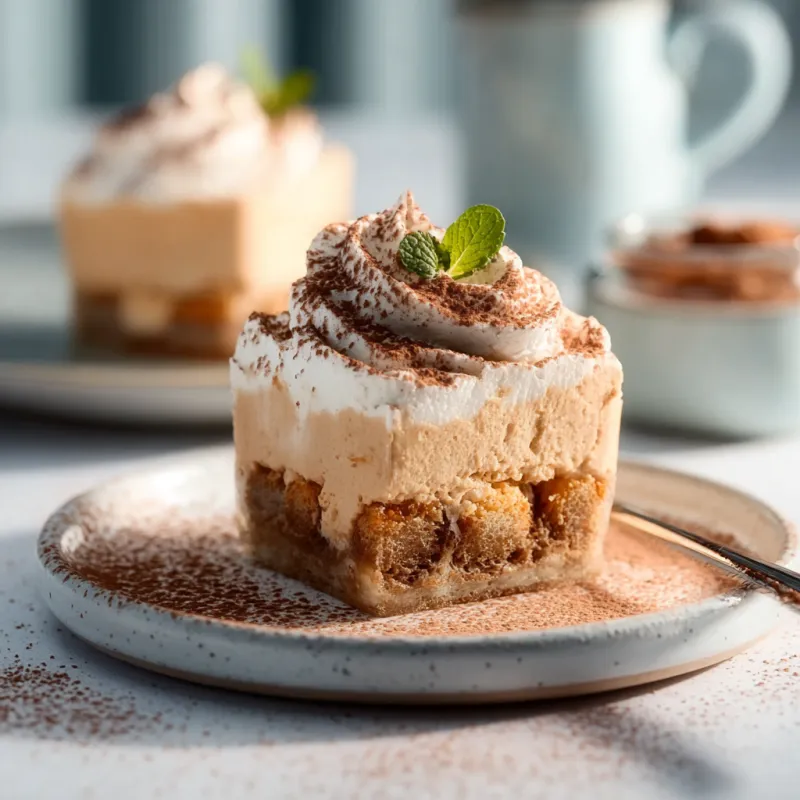
Quick-Vanishing Tiramisu with Precision Coffee Soak
Ingredients
Equipment
Method
- Brew 2 cups of strong coffee using your preferred method—I use an Aeropress with a 1:4 ratio (60g coffee to 240g water) for a concentrated, smooth base. Let it cool completely.
- In a large bowl, whisk egg yolks and sugar until thick and pale, about 3 minutes.
- Add mascarpone and vanilla, mixing until just combined—overmixing can make it grainy.
- In a separate bowl, whip the heavy cream to stiff peaks. Gently fold into the mascarpone mixture in three additions, keeping the airy texture.
- Stir the coffee liqueur into the cooled coffee if using. Dip each ladyfinger into the coffee for exactly 2 seconds per side—no longer, or they'll turn to mush.
- Line the bottom of the dish with a single layer of soaked ladyfingers.
- Spread half the cream mixture evenly over the ladyfingers.
- Repeat with another layer of dipped ladyfingers and remaining cream.
- Dust the top generously with cocoa powder through a fine-mesh sieve. Cover and refrigerate for at least 6 hours, ideally overnight.
- Before serving, add a final dusting of cocoa and optional chocolate shavings.