
That first sip of a caramel macchiato—the way the vanilla sweetness hits, then the bold espresso cuts through, and finally the buttery caramel coats your tongue. It’s a ritual. But at five dollars a pop, it’s also a budget drain. I’ve spent years tweaking ratios in my home kitchen to nail that exact balance, and I can tell you: the secret isn’t expensive gear. It’s precision.
Why This Works Better Than a Copycat
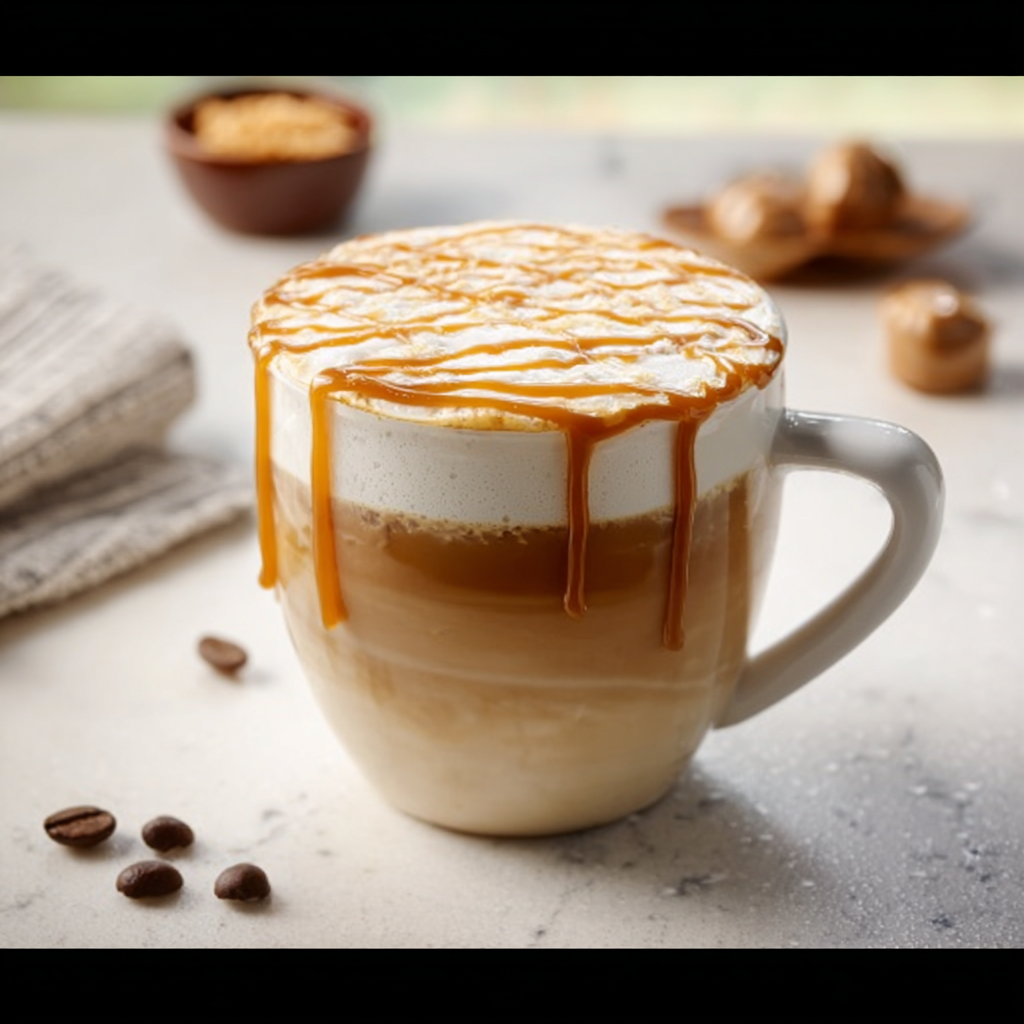
Most recipes online tell you to just dump everything together. That’s why they taste flat. The real technique is layering—and it hinges on one specific ratio: 2 parts milk to 1 part espresso to 1 part syrup, with caramel as a finish, not a mixer. I keep the ratio at 2:1:1 for a balanced drink that lets each component shine. For a 12-ounce glass, that’s 8 ounces milk, 2 ounces espresso, and 2 tablespoons syrup.
The Vanilla Syrup: Homemade in 5 Minutes
Store-bought syrups often have preservatives that dull the flavor. Make your own: combine 1/2 cup water and 1/2 cup granulated sugar in a small saucepan. Heat on medium, stirring until the sugar dissolves completely—about 2 minutes. Remove from heat, stir in 1 teaspoon vanilla extract. Let it cool. The syrup will be slightly thicker than water, with a clean sweetness. Store in a jar in the fridge for up to two weeks. This single step saves you about $0.50 per drink.
Espresso: The Make-or-Break Element
You don’t need a $1,000 machine. A Moka pot on the stovetop works beautifully. Fill the basket with finely ground coffee—slightly finer than drip, but not powdery. Use a 1:2 coffee-to-water ratio: 18 grams coffee to 36 grams water. Brew until you hear a gurgling sound, then remove from heat immediately to avoid bitter over-extraction. The result should be a dark, syrupy shot with a thin layer of crema. If your espresso tastes harsh, your grind is too fine or you let it brew too long.
Milk: Temperature and Texture
For a hot macchiato, steam whole milk to 150°F (65°C)—this is the sweet spot where lactose sweetness peaks. Use a thermometer if you have one; otherwise, heat until the milk is hot to the touch but not scalding. The foam should be velvety, with bubbles so small they’re barely visible. For iced, use cold milk straight from the fridge. I prefer oat milk for iced versions because it stays creamy without thinning out. Avoid shaking or frothing iced milk—it creates large bubbles that break the layers.
The Layering Technique: Patience Pays
Fill your glass with ice (for iced) or leave empty (for hot). Pour the vanilla syrup first. Then, gently pour the milk over the back of a spoon to minimize mixing. For hot drinks, hold back the foam with the spoon—you want the liquid milk to settle below, with foam on top. Now the critical step: pour the espresso over the back of a spoon held just above the milk surface. Go slowly—a steady stream, not a gush. The espresso will float on top due to its lower density. If you pour too fast, it sinks and creates a muddy mess. Finally, drizzle caramel sauce in a crosshatch pattern. Use a squeeze bottle or a spoon to make thin lines. The caramel should sit on top, not stir in.
Common Mistake: Over-Drizzling
I see people drown their drink in caramel. That masks the espresso and turns it into sugar soup. Two tablespoons of caramel sauce is plenty—it should accent, not overwhelm. If you want extra sweetness, add more vanilla syrup instead.
Storage and Serving Tips
This drink is best fresh, but you can prep the syrup and brew espresso ahead. Store brewed espresso in the fridge for up to 24 hours—the flavor will dull slightly, so use an extra half-shot. Caramel sauce thickens when cold; warm it for 10 seconds in the microwave before drizzling. For a dairy-free version, oat milk or macadamia milk work best. Avoid almond milk—it separates and leaves a watery layer.
Takeaway
You don’t need a café to get that layered, balanced caramel macchiato. The real cost savings come from mastering the 2:1:1 ratio and the spoon-pour technique. Make it once, and you’ll never pay five dollars for it again. Caffeine affects people differently—start with one shot if you’re sensitive. For personalized dietary advice, consult a qualified professional.
Frequently Asked Questions
Can I use regular coffee instead of espresso?
Yes. Brew a very strong cup—use a 1:4 coffee-to-water ratio (e.g., 2 tablespoons coffee to 1/2 cup water) to mimic espresso’s intensity. The flavor will be slightly less concentrated but still works.
What’s the best milk for a caramel macchiato?
Whole milk gives the richest texture and best foam. Oat milk is my preferred dairy-free option because it steams well and doesn’t separate. Avoid skim milk—it foams poorly and tastes thin.
Why does my macchiato look muddy instead of layered?
The most common mistake is pouring espresso too fast or into the center. Always pour over the back of a spoon held at the surface. Also, use cold milk for iced versions to slow diffusion.
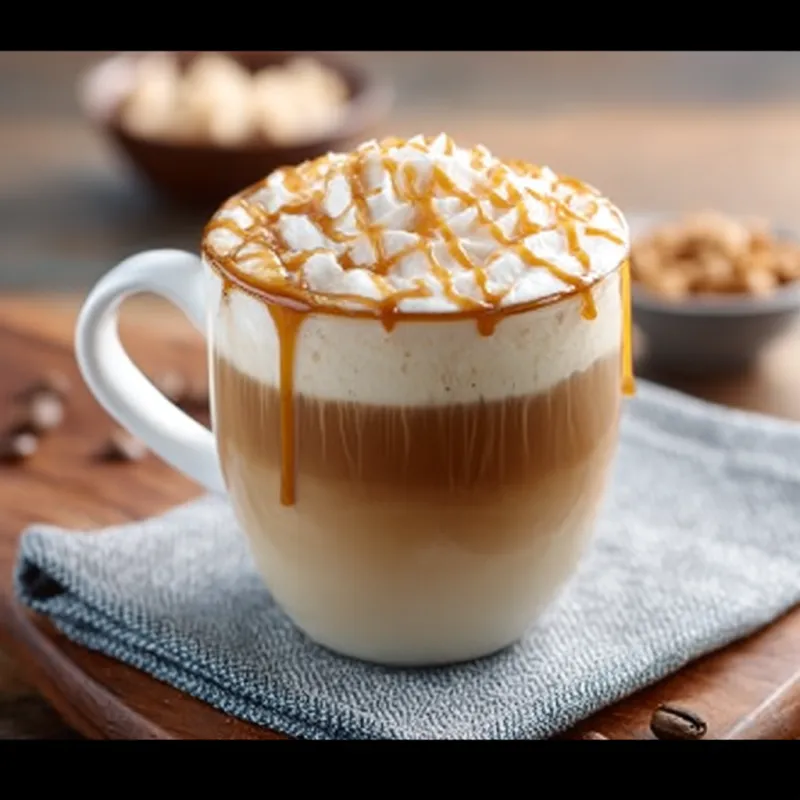
Homemade Caramel Macchiato
Ingredients
Equipment
Method
- Brew two shots of espresso using your espresso machine or Moka pot. Aim for a 1:2 coffee-to-water ratio (e.g., 18g coffee yields 36g espresso). Set aside. 2. If making vanilla syrup, combine 1/2 cup water and 1/2 cup sugar in a small saucepan. Heat over medium, stirring until sugar dissolves. Add 1 teaspoon vanilla extract. Cool. 3. Fill a 12-16 oz glass with ice (for iced) or leave empty for hot. 4. Pour the vanilla syrup into the glass. 5. Steam the milk until it reaches 150°F (65°C) and has a velvety microfoam—small bubbles, not large ones. For iced, cold-froth the milk or simply pour cold milk. 6. Gently pour the steamed or cold milk over the syrup, holding back the foam with a spoon to control layering. 7. Slowly pour the espresso over the back of a spoon held just above the milk surface. This creates the signature dark layer. 8. Drizzle caramel sauce in a crosshatch pattern over the top. Serve immediately.